Kaunertal
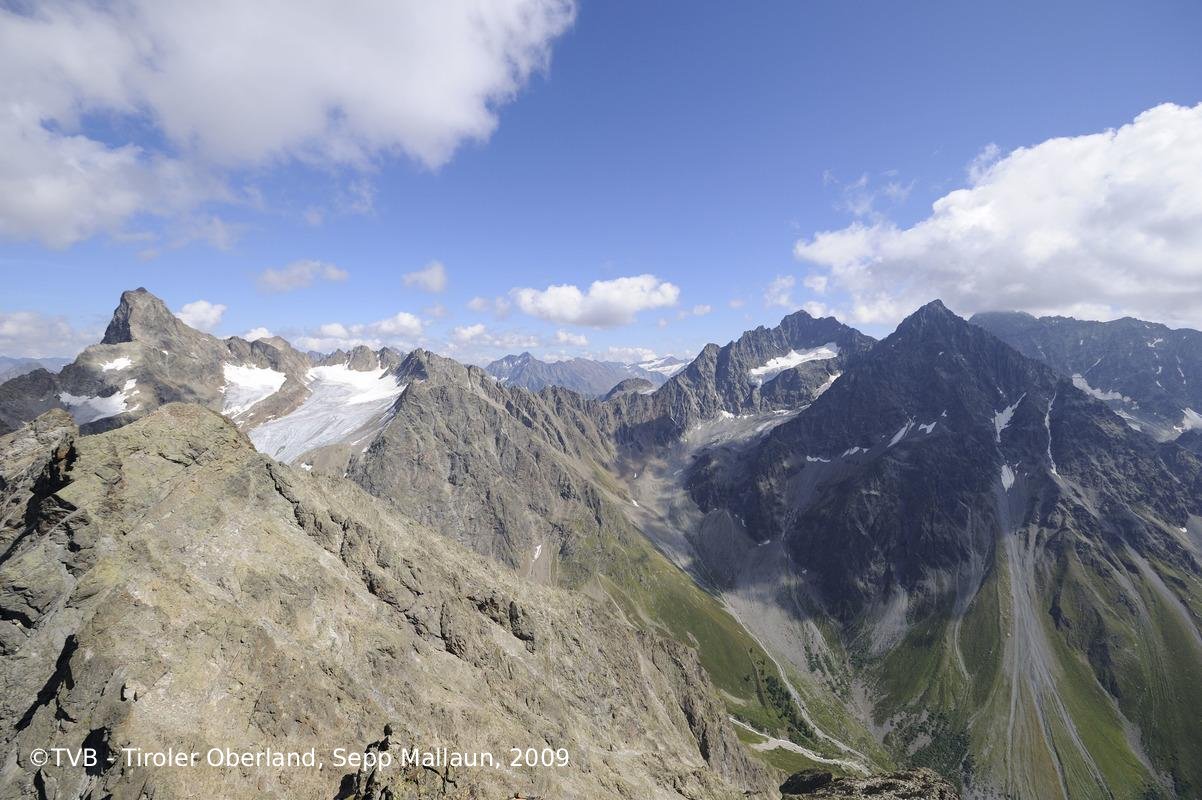
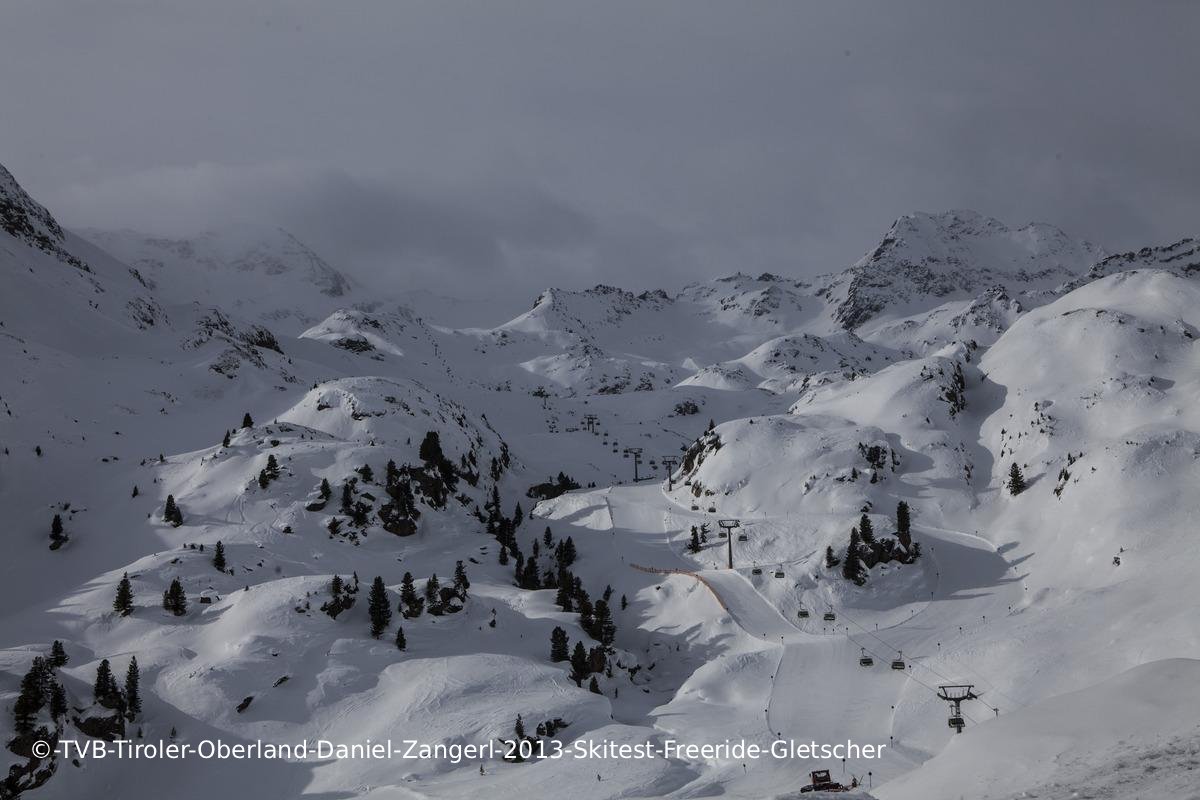
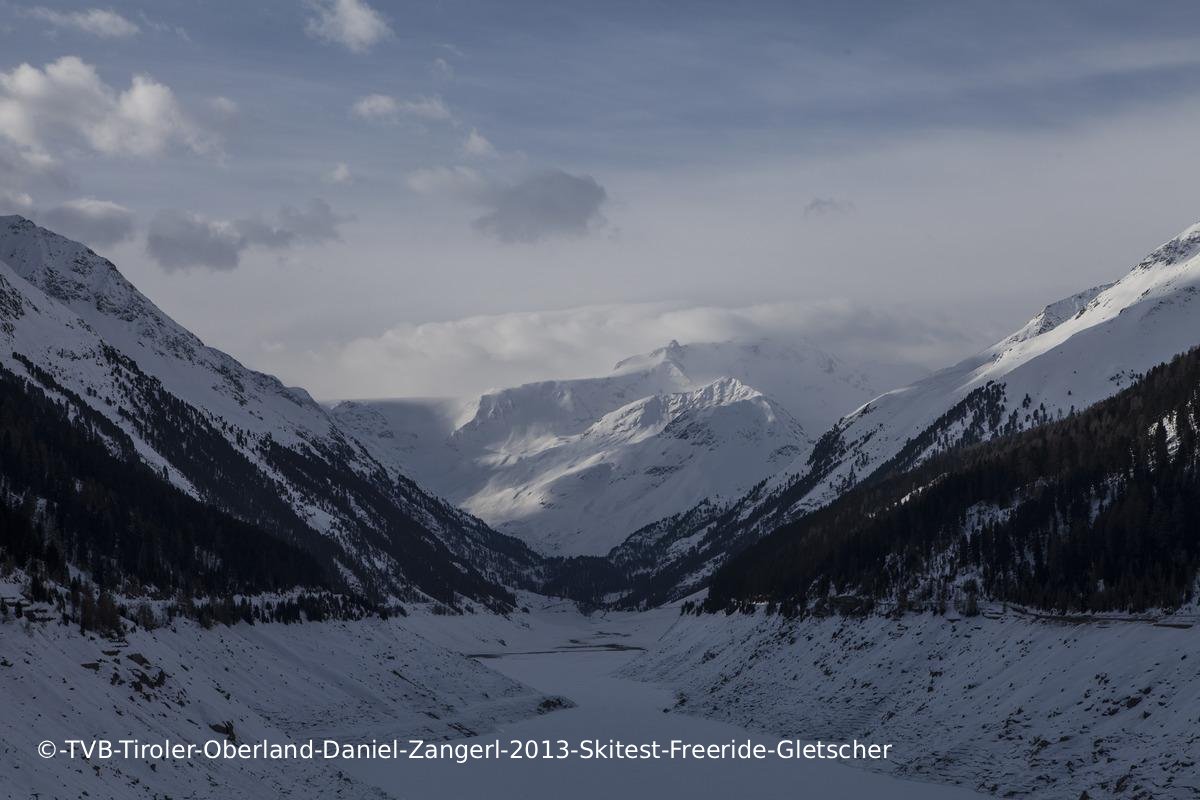
Kaunertal is a picturesque municipality located in the Tyrolean Alps of western Austria, with around 600 inhabitants. Nestled within the Kauner Valley, it is known for its stunning alpine landscapes, traditional charm, and outdoor recreational opportunities. The area is especially famous for the Kaunertal Glacier, which offers skiing and breathtaking views. With its proximity to the Kaunergrat Nature Park, Kaunertal is a popular destination for nature lovers, hikers, and winter sports enthusiasts.
Kaunertal is committed to sustainable development, aligning closely with the objectives of the project:
- Focus on accessible tourism: Development of barrier-free services and continuous improvement of inclusive infrastructure
- Emphasis on regional value creation and cultural preservation: As part of the Kaunergrat Nature Park, Kaunertal supports local traditions, products, and sustainable practices
- International recognition: Awarded "Best Tourism Village" by the UNWTO
ENGAGING TVB TIROLER OBERLAND (DMO)*
Key Benefits for DMO:
- Facilitation Role: Act as a bridge between the project consortium and local stakeholders.
- International Knowledge Exchange: Collaborate with academic institutions and share best practices across partner regions.
- Resilience Monitoring: Use an innovative platform to track, assess, and enhance destination resilience.
- Data-Driven Insights: Enable evidence-based decision-making through structured data collection and analysis.
Source: https://www.kaunertal.com/en
 ©TVB - Tiroler Oberland, Sepp Mallaun, 2009
 ©-TVB-Tiroler-Oberland-Daniel-Zangerl-2013-Skitest-Freeride-Gletscher
 ©-TVB-Tiroler-Oberland-Daniel-Zangerl-2013-Skitest-Freeride-Gletscher
Mestia
Mestia is a historic highland settlement and the tourism hub of Georgia, located in the Greater Caucasus. The municipality is widely recognised for its distinctive medieval Svan towers, which are UNESCO World Heritage sites, its vernacular architecture, and its role as the starting point for trekking routes, glacier walks, and visits to highland communities such as Ushguli.
Mestia participates in the ReMoDe project as a case study destination. The project co-develops a practical resilience index and a digital monitoring platform to help local actors understand and strengthen destination resilience, with a strong emphasis on participatory methods and research-into-use.
Local priorities that connect with ReMoDe objectives:
- Improving inclusion and seasonal accessibility: Enhancing mobility options, visitor guidance, and infrastructure so more people can safely and comfortably experience the area while avoiding harm to fragile alpine zones.
- Strengthening local livelihoods and protecting cultural assets: Supporting small-scale producers, family-run guesthouses, and traditional crafts so tourism revenue benefits the community and contributes to safeguarding Svan heritage.
- Managing nature-based recreation and seasonal risks: Promoting low-impact outdoor activities, managing visitor pressure on trails and monuments, and bolstering preparedness for winter access limitations and other seasonal challenges.
ENGAGING SVANETI DESTINATION MANAGEMENT ORGANIZATION (DMO)
Key Benefits for DMO:
- Facilitation Role: Act as a bridge between the project consortium and local stakeholders;
- International Knowledge Exchange: Collaborate with academic institutions and share best practices across partner regions;
- Resilience Monitoring: Use an innovative platform to track, assess, and enhance destination resilience;
- Data-Driven Insights: Enable evidence-based decision-making through structured data collection and analysis.